Checking Out the Fundamentals of Welding Inspection: A Thorough Assessment of Processes, Devices, and the Value of Quality Assurance in Welding Industries
Welding assessment offers as a cornerstone in the upkeep of safety and structural honesty throughout various markets. Understanding the ramifications of these methods increases crucial questions regarding their performance and the future instructions of quality guarantee in welding.
Importance of Welding Inspection
Welding inspection plays an essential duty in guaranteeing the integrity and security of bonded frameworks. It works as a systematic method to evaluating weld top quality, determining prospective problems, and ensuring compliance with well established criteria and requirements. The relevance of welding examination extends beyond plain adherence to policies; it is crucial in guarding human lives and securing investments in infrastructure.
Malfunctioning welds can bring about catastrophic failings, resulting in considerable economic losses, injury, or death. Therefore, rigorous examination procedures are important to identify issues such as poor penetration, porosity, or splits before they rise into essential failings. Furthermore, reliable welding examination adds to the general performance and longevity of structures, making sure that they can withstand the problems for which they were developed.
Moreover, the implementation of welding evaluation fosters a culture of top quality and responsibility within the welding industry. By prioritizing evaluation, organizations demonstrate their dedication to quality, consequently boosting their online reputation and competitiveness in the industry. Inevitably, welding assessment is not simply a step-by-step step but a basic component of engineering integrity and security guarantee, essential for the effective execution of welding tasks across numerous sectors.
Key Examination Processes
An extensive strategy to welding evaluation involves a number of key procedures that are vital for making certain weld quality and structural honesty. The initial crucial process is aesthetic inspection, which enables examiners to recognize surface flaws such as splits, porosity, and inappropriate grain look. This approach works as a preliminary analysis to guarantee that the weld meets specified standards.
Additionally, damaging screening may be performed on sample welds to assess their mechanical homes and efficiency under stress. This procedure includes tiredness, tensile, and impact screening to validate that the weld can withstand functional conditions.
Lastly, documents and coverage are important components of the examination procedure. Preserving accurate documents of evaluations, observations, and test results aids ensure conformity with industry criteria and assists in continuous renovation in welding methods. Collectively, these crucial processes develop the foundation of effective welding inspection and quality control.
Devices for Weld Assessment
Countless devices are vital for effective weld analysis, each developed to assess different facets of weld quality and performance. Among the most commonly used are aesthetic assessment tools, including magnifying glasses and borescopes, which allow assessors to identify surface issues such as cracks, porosity, and incorrect fusion.
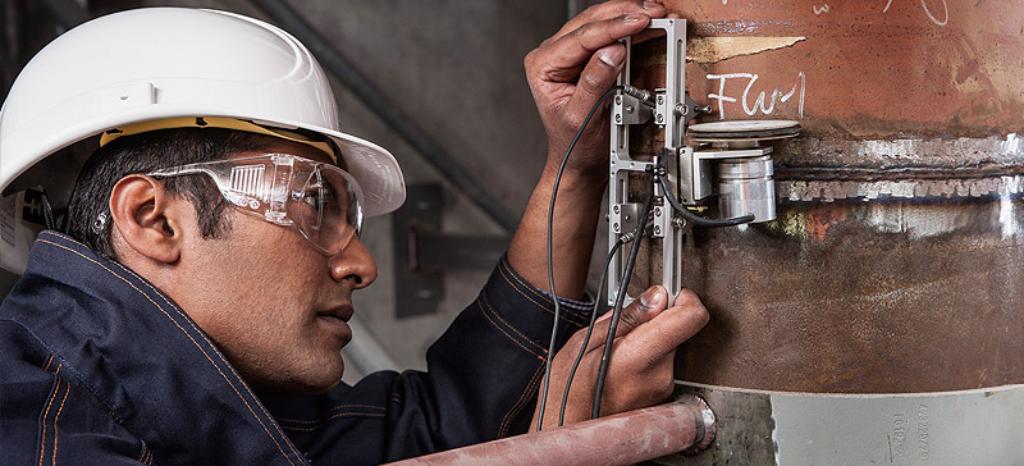
In addition, ultrasonic have a peek at this site testing (UT) tools is essential for detecting interior imperfections. This tool utilizes high-frequency acoustic waves to disclose gaps within the weld, making certain the integrity of the material. Radiographic testing (RT) devices, which make use of X-rays or gamma rays, likewise provide understanding right into the internal structure of welds, enabling for the recognition of gaps or additions.
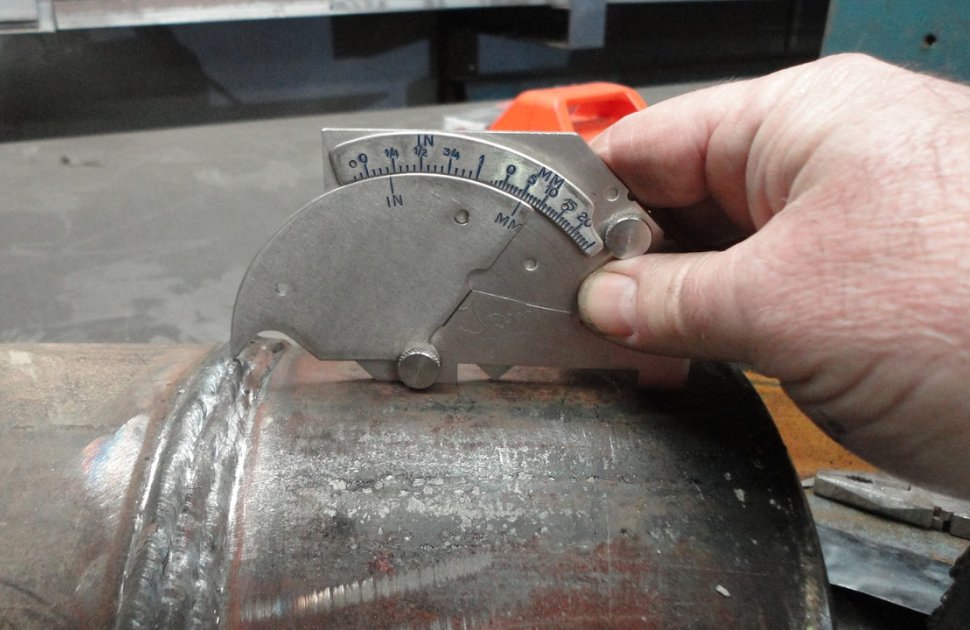
For exact measurements, calipers and evaluates play a considerable function in figuring out weld measurements and making certain adherence to defined resistances. Hardness testers evaluate the mechanical homes of the weld, guaranteeing it satisfies efficiency requirements.

Strategies for Assessing Quality
Just how can the quality of welds be accurately analyzed? A variety of techniques are employed to review weld integrity and make sure adherence to specified requirements.
Ultrasonic screening (UT) is an additional prominent strategy that utilizes high-frequency acoustic waves to spot inner flaws within the weld. Houston Welding Inspection. This method gives an extensive view of the weld's integrity without compromising its architectural stability. In addition, radiographic testing (RT) employs click resources X-rays or gamma rays to disclose inner flaws, providing thorough understandings right into weld high quality
Magnetic particle testing (MT) works for finding surface area and near-surface interruptions in ferromagnetic products, utilizing electromagnetic fields and tinted fragments to highlight issues. Color penetrant testing (PT) can be used to discover surface-breaking problems by applying a dye that seeps into splits and is consequently exposed.
Compliance With Sector Specifications
Conformity with industry requirements is essential for ensuring the top quality and safety and security of bonded frameworks. These standards, developed by organizations such as the American Welding Society (AWS) and the American National Standards Institute (ANSI), provide standards that control the welding procedure, materials, and evaluation protocols. Sticking to these standards not just makes certain the architectural integrity of welds yet also reduces dangers linked with failings that might lead to catastrophic effects.

Welding assessors are entrusted with validating compliance with these criteria throughout the welding procedure (Houston Welding Inspection). This involves assessing welding treatments, keeping an eye on welder certifications, and performing complete examinations of the end product. Non-compliance can lead to significant monetary repercussions, task hold-ups, and damage to a business's reputation
Normal training and updates on standards are crucial to keep workers informed and proficient, ensuring that recommended you read all aspects of welding operations meet or surpass regulatory needs. Inevitably, dedication to sector requirements offers as a structure for quality in the welding sector, advertising safety and reliability in welded structures.
Final Thought
In conclusion, welding inspection serves as an essential element in preserving the safety and honesty of bonded frameworks. Adherence to market standards ensures conformity and advertises a society of high quality within the welding industry.
Additionally, the execution of welding examination fosters a society of high quality and accountability within the welding market. Inevitably, welding inspection is not just a step-by-step step but a basic element of engineering honesty and safety assurance, vital for the successful implementation of welding jobs across different sectors.
A detailed method to welding examination includes a number of key procedures that are vital for making sure weld top quality and architectural integrity. These requirements, established by companies such as the American Welding Culture (AWS) and the American National Standards Institute (ANSI), provide guidelines that govern the welding procedure, products, and evaluation protocols.Welding examiners are tasked with confirming conformity with these standards throughout the welding procedure.